 October 25, 2026
Most GEO checklists treat Google AI Overviews and LLM platforms as identical targets, but they reward different tactics. This 2026 generative engine optimization checklist separates Google-verified recommendations from platform-specific strategies for ChatGPT, Perplexity, Gemini, and Copilot.
 October 24, 2026
Choosing the right platform means more than ranking Semrush against Ahrefs. This guide helps you compare SEO software across five categories—suites, content graders, GEO trackers, agencies, and agentic AI—scored on pricing, automation, and GEO-readiness for 2026.
 October 23, 2026
Semrush has no tool literally named 'Content Gap' — it's called Keyword Gap, and this walkthrough shows exactly how to run a content gap analysis in Semrush the right way. Get clear definitions of Missing, Weak, Untapped, Shared, and Unique keywords, plus the five-domain limit and 2026 AI Visibility Toolkit for finding gaps in AI Overviews.
 October 23, 2026
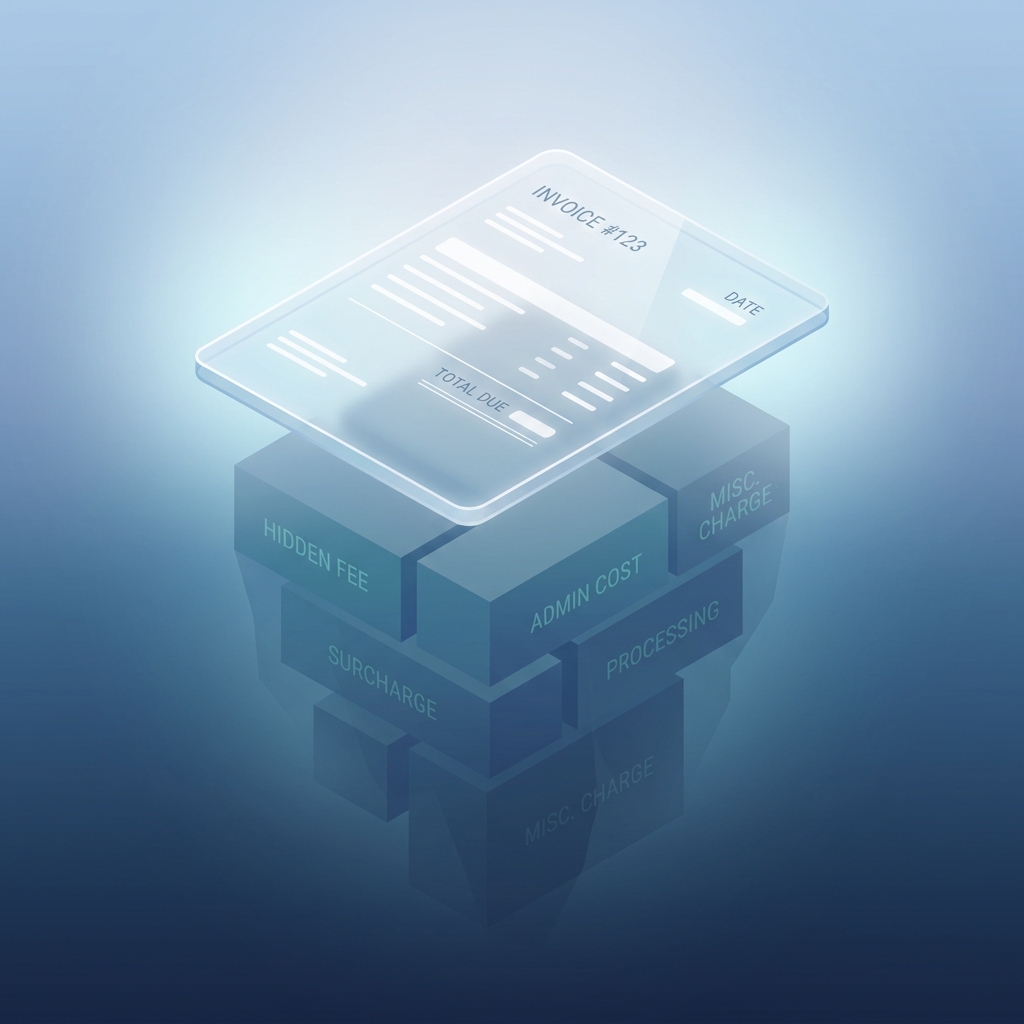
Most self-described AI content agencies still bill for legacy onboarding, retainers, and account management—costs that rarely show up as their own line item. This article breaks down the real pricing structure behind AI content agency services in 2026, comparing rebranded agencies to fully autonomous platforms like KOZEC that eliminate the onboarding tax entirely.
 October 22, 2026
Qué es GEO (Generative Engine Optimization) explicado con precisión: su origen en el paper académico de KDD 2024 y datos actualizados de 2026 sobre búsquedas sin clic y conversión con IA. Una guía completa para entender por qué esta disciplina es clave en marketing digital.
 October 22, 2026
Generative engine optimization and answer engine optimization are often confused, but they describe two connected moments in the same AI retrieval pipeline, not competing strategies. This article clears up the terminology debate and reveals the content architecture that wins at both stages in 2026's AI-driven search landscape.

We help teams keep their websites active, useful, and easier to find without adding more content production work.
Agentic AI for SCO, AI discovery, multilingual content, and organic growth
Privacy Policy | Terms of Use | Disclaimer | Contact Us | (888) 545-7090
5 river rd ste 112, wilton, ct 06897
© 2026 KOZEC • All Rights Reserved
© 2026 KOZEC • All Rights Reserved
Privacy Policy | Terms of Use | Disclaimer | Contact Us | (888) 264-7750
5 River Rd ste 112, Wilton, CT 06897